Community
Biological father of missing girl speaks amid intensifying search in West Philly
By Samantha R. Patel
Advertisement · Why this ad?
David graduated from Franklin & Marshall College and has been a community journalist for over 8 years, previously working at the Lancaster Examiner. He focuses on the heart of Lancaster, covering local events, festivals, and community initiatives.
More from David →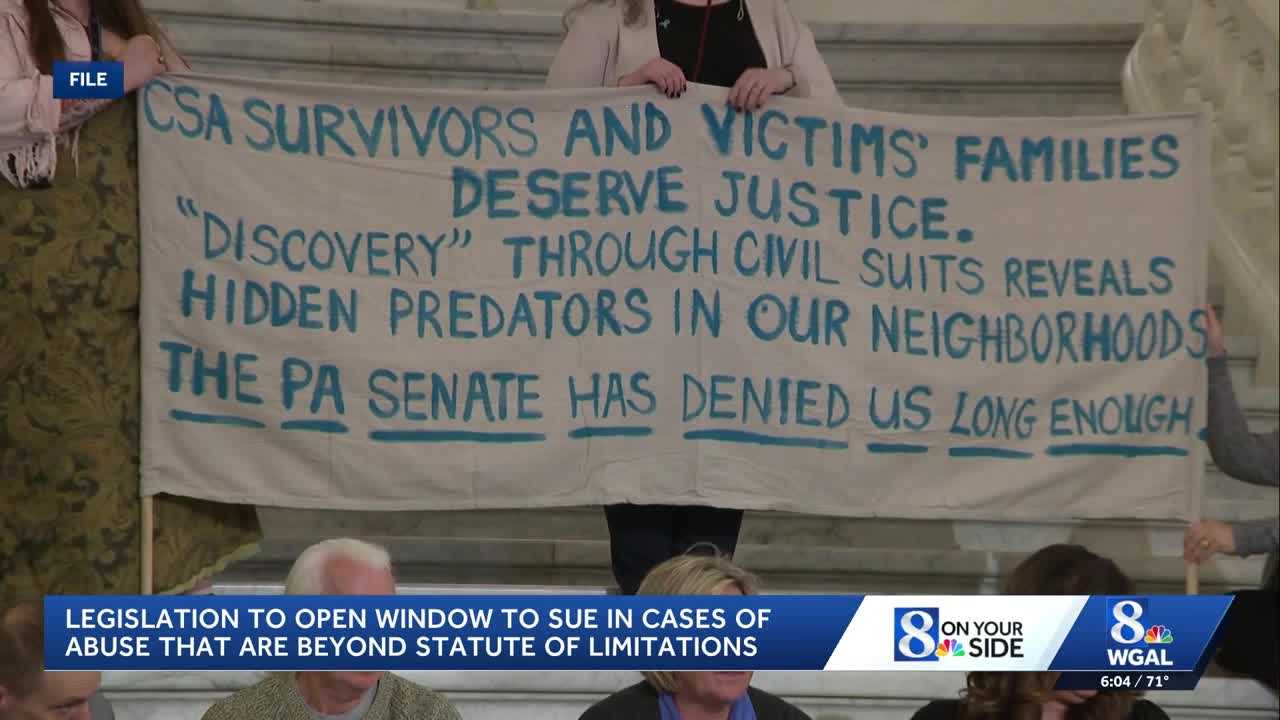
In a modest office tucked away in Lancaster, Lisa Martinez gently strokes a framed photograph of her childhood. Her eyes linger on the image of a young girl, innocent and unaware of the dark shadows that once haunted her. Lisa’s story is one shared by many survivors across Pennsylvania—stories of pain, resilience, and a flicker of hope ignited by recent political shifts. As the state’s political landscape changes, so too does the possibility for these brave individuals to seek justice that has long been denied them.
On November 5, 2026, Pennsylvania’s political tides shifted as Democrats gained control of the state Senate, a move that many hope will finally open the doors for childhood sexual abuse survivors to pursue legal action. This change is seen as a critical step forward in addressing decades of silence and cover-ups, especially within powerful institutions like the Catholic Church. Governor Josh Shapiro, a Democrat, quickly signaled his support, stating that helping survivors pursue lawsuits would be a top priority for his administration.
The core of the debate revolves around creating a two-year window—a limited period during which survivors can file civil lawsuits over claims that are now time-barred under current law. Steven Leasure, a survivor from Cumberland County, has been advocating tirelessly for this legislation, emphasizing that many victims were children when the abuse occurred and were unaware of the legal deadlines. Leasure’s hope is that this window will allow survivors to confront their abusers and hold organizations accountable for their complicity.
The push for this legislative window gained momentum after a 2018 Pennsylvania grand jury report exposed decades of child sexual abuse by Catholic clergy and subsequent cover-ups by church officials. The report recommended giving survivors with expired claims an opportunity to seek justice, but political disagreements stalled progress. Efforts to pass a constitutional amendment in 2021 failed when the Department of State did not advertise it properly, forcing lawmakers to restart the process.
Over the years, this issue has galvanized a broad coalition of advocates, including legal experts, victim advocacy groups, and community leaders in Lancaster County, a region with a significant Catholic population and a history of grappling with institutional abuse. Many local residents remember the stories of abuse that surfaced decades ago within the diocese and the community’s ongoing struggle to reconcile faith with accountability. These stories are not just distant history but are woven into the fabric of Lancaster’s social and religious life, making the push for justice deeply personal for many residents.
State Representative Nate Davidson, a Democrat from Harrisburg, has been a staunch supporter, sponsoring proposals both through regular legislation and a constitutional amendment. He expressed frustration over the repeated delays, emphasizing that the new Democratic majority in the Senate could finally advance the cause without tying it to other contentious issues like voter ID laws. The upcoming legislative session, beginning in January, is seen as a pivotal moment for survivors seeking their day in court.
The community’s response has been one of cautious optimism. Many survivors and advocates see this political shift as the first real chance in years to confront painful pasts and seek accountability. For families like Lisa’s, the prospect of justice rekindles a sense of hope that healing can finally begin. She recalls her own journey—how silence and shame kept her from speaking out for decades, and how the possibility of legal recourse feels like a long-overdue validation of her pain.
In Lancaster, local organizations such as the Lancaster County Child Advocacy Center have been instrumental in supporting survivors, offering counseling and legal resources. Their director, Maria Gonzalez, emphasizes that community support is essential in creating an environment where survivors feel safe to come forward. “Healing begins when survivors see that their voices matter and that justice is within reach,” she says.
Churches, legal advocates, and community organizations are rallying behind the effort. The Pennsylvania Catholic Conference, which has historically opposed certain legislative windows, has yet to comment publicly but faces mounting pressure to support survivor-friendly reforms. Many believe that genuine faith and strong families flourish only in communities where truth is acknowledged and justice is pursued. The hope is that this legislative change will serve as a catalyst for broader healing and accountability across the state.
The path forward hinges on legislative approval. If the Senate and House pass the proposed constitutional amendment before the session ends on November 30, it could be on the ballot for Pennsylvanians to decide in the 2027 primary. This process, though lengthy, offers a tangible route for survivors to finally access justice. Advocates remain optimistic, emphasizing that the change in control signals a new era of compassion and accountability.
In Lancaster, community leaders and survivors are organizing town halls and awareness campaigns to educate the public about the importance of this legislative effort. These events aim to dispel misconceptions and foster a collective understanding of why justice for abuse survivors is vital for community healing. Local faith leaders are also beginning to speak out in support, recognizing that faith communities can play a pivotal role in fostering reconciliation and support.
As the community watches with hope, many survivors are beginning to share their stories publicly, inspired by the possibility of a legal window that could finally give them a voice. The coming months will be crucial in determining whether Pennsylvania’s lawmakers will honor the voices of those who have waited too long for justice. For Lisa Martinez and countless others, this legislative shift isn’t just political; it’s deeply personal—a step toward healing and restoring faith in a system that has too often failed the vulnerable.
In Lancaster and beyond, the message is clear: communities thrive when they stand together, rooted in faith, family, and a commitment to justice. As the state moves toward a new chapter, the hope is that every survivor’s story will be heard, and that genuine accountability will finally take its rightful place at the heart of Pennsylvania’s moral fabric.
While statewide legislative efforts are underway, Lancaster County itself is poised to be a microcosm of this broader movement. Local advocates anticipate that once the law changes, Lancaster’s community organizations will see an increase in survivors seeking help. Schools, churches, and social service agencies will need to be prepared to support those coming forward. The county’s long history with religious institutions means that local leaders are especially aware of the importance of transparency and accountability.
Moreover, the upcoming legal window could set a precedent for other states grappling with similar issues. Pennsylvania’s example may inspire national conversations about how to balance the statute of limitations with the needs of survivors. As the nation watches, Lancaster’s community stands at the forefront of a movement that could reshape how justice is pursued for victims of childhood abuse across the country.
Legislators are now in a critical period of action. If the proposed constitutional amendment is approved by both chambers in the upcoming legislative sessions, it will be put before the voters. Community advocates are mobilizing to ensure that survivors and their allies understand the significance of this vote. The process involves multiple steps, including passage in the legislature, a public campaign, and ultimately, a vote by the people of Pennsylvania.
Legal experts and survivor advocates stress the importance of continued community engagement. They emphasize that passing the amendment is just the beginning—building a supportive environment where survivors feel empowered to come forward is equally vital. Local organizations are planning outreach efforts to educate residents about the importance of justice and accountability, reinforcing that this legislative change is about more than law—it’s about healing communities.
For Lisa Martinez and many others, the hope is that this legislative victory will mark a turning point in Pennsylvania’s history—a moment when the state finally acknowledges its past and commits to protecting its most vulnerable in the future.
By Samantha R. Patel

By Jasmine T. Winters

By Samantha R. Patel

By Samantha R. Patel