
Health
Shooting in Wilmington, Delaware, leaves man dead, 2 women injured, police say
By Trevor M. Kowalski
Advertisement · Why this ad?
Jasmine is a recent graduate of the University of Pennsylvania and has quickly made a name for herself in local journalism covering community events for the King of Prussia Chronicle. With a keen interest in local history and cultural initiatives, she enjoys sharing stories that reflect the town’s rich heritage.
More from Jasmine →
On a warm November evening in California, as the sun dipped below the horizon, a palpable tension filled the air. Inside living rooms across the state, families gathered around their televisions, their eyes glued to the election coverage unfolding before them. This was not just another election night; it was the moment that could redefine the state's economic landscape. Proposition 40, a bold initiative aimed at taxing the ultra-wealthy to fund healthcare, was on the ballot. As the clock ticked toward 8 p.m., millions held their breath, pondering the implications of this unprecedented measure.
Proposition 40 is a groundbreaking proposal that seeks to impose a one-time 5% tax on the accumulated wealth of California residents whose net worth exceeds $1 billion. This initiative, if passed, could affect approximately 250 individuals, making California the first state in the nation to implement such a tax. The funds raised—estimated at around $100 billion—are earmarked primarily to restore cuts to the state's healthcare system, which is on the brink of significant reductions due to the One Big Beautiful Bill Act.
The urgency of Prop 40 arises from a stark reality: without intervention, 3.5 million Californians stand to lose their healthcare coverage, while an additional 20 million could face higher premiums. The proposition's supporters argue that this tax is not merely a financial obligation but a moral imperative for those who have benefited immensely from the state's resources. Dave Regan, President of SEIU United Healthcare Workers Trust, passionately advocates for the measure, stating, "Finally here in California, we're saying to them you have to put up a little bit of money, a one-time emergency tax, so millions of people don't lose healthcare."
The proposition's supporters envision a future where healthcare is accessible for all, a dream that resonates deeply within families across California. As they rally for votes, they emphasize the critical nature of this tax in safeguarding the well-being of their loved ones.
Supporters of Prop 40 are not just political figures; they are everyday Californians who understand the stakes involved. Many families, particularly those who have faced healthcare hardships, are vocal about their support. For them, the tax represents hope—a chance to secure a healthier future for their children and loved ones. Local community meetings have sprung up, where residents share their personal stories and rally together to advocate for the measure.
One such meeting took place at a community center in Los Angeles, where families gathered to discuss the implications of Prop 40. Maria Gonzalez, a mother of three, shared her story of navigating the complexities of healthcare for her children. "I can't afford to lose my coverage or see my premiums skyrocket. This tax could save lives," she said, her voice filled with emotion. Her sentiment is echoed by many who feel that healthcare should not be a privilege but a right.
The grassroots support for Prop 40 is palpable, with volunteers canvassing neighborhoods, distributing flyers, and engaging in conversations about the importance of the measure. This grassroots movement highlights the collective desire for change and a commitment to ensuring that the most vulnerable populations are not left behind.
However, the path to implementing Prop 40 is fraught with challenges. Opposition is fierce, even among some of California's most powerful political figures. Governor Gavin Newsom and gubernatorial candidate Xavier Becerra have both expressed skepticism about the measure's potential impact. Critics argue that imposing such a tax could drive wealthy residents and businesses out of the state, ultimately harming the economy and exacerbating the very issues Prop 40 aims to solve.
Stuart Waldman, an advocate for economic growth, articulated this concern, stating, "Thirty-eight percent of our state budget comes from the top 1%. If those people moved, and some of them already have, it would have a drastic impact on our state budget. It would impact healthcare, it would impact teachers, it would impact education." This perspective resonates with many who fear that the tax could lead to unintended consequences that would hurt the very communities it seeks to help.
Opponents of Prop 40 also criticize its structure, arguing that dedicating 90% of the funds to healthcare alone neglects other pressing issues such as public safety, housing, and wildfire prevention. They caution that such a narrow focus could set a precedent for future legislatures to expand taxes further, potentially leading to a slippery slope of increased taxation.
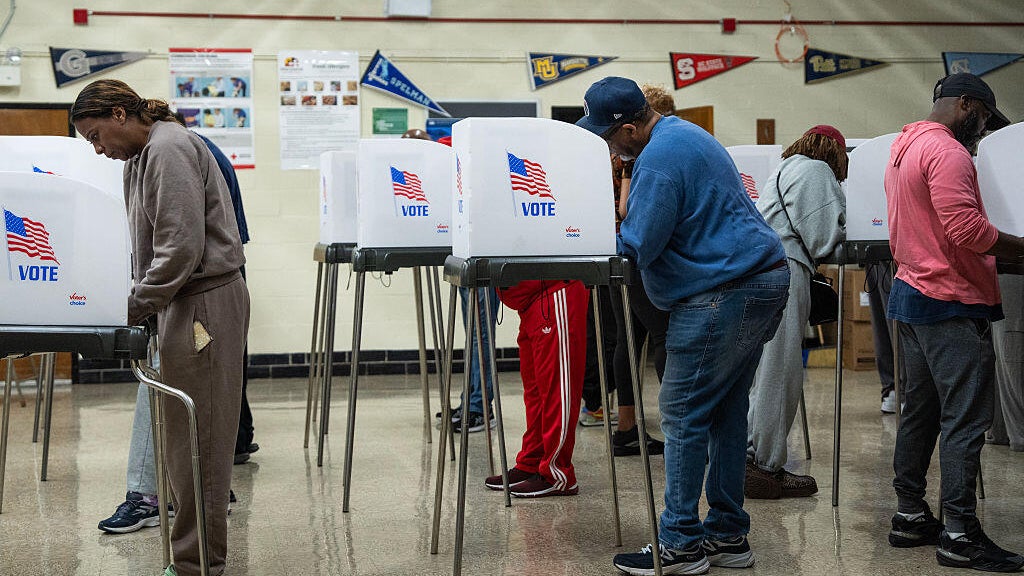
As the polls closed and the votes were counted, Californians waited anxiously to see the outcome of Proposition 40. The implications of this measure reach far beyond the immediate election results; they signal a pivotal moment in the ongoing conversation about wealth distribution and healthcare access in America. The results could either herald a new era of progressive taxation or reinforce the status quo.
Regardless of the outcome, the discussions surrounding Prop 40 have ignited a broader dialogue about the responsibilities of the wealthy in society. Many are left to ponder the question: how can we create a system that balances the need for funding essential services while ensuring that those who contribute are not driven away?
As the dust settles, it is clear that Proposition 40 has galvanized communities, prompting families to engage in civic discourse and advocate for their needs. Whether it passes or fails, the measure has illuminated the urgent need for reform in California's healthcare system and the role that wealth can play in shaping public policy.
The debate surrounding Prop 40 underscores the importance of community engagement in shaping policy. Local organizations and advocacy groups have mobilized to educate residents about the implications of the tax and the potential benefits for the healthcare system. Resources such as SEIU and Healthcare.gov have become vital tools for families seeking information and support.
As families navigate the complexities of healthcare coverage, they are also encouraged to participate in local forums and discussions. Engaging with representatives and sharing personal stories can significantly impact the legislative process. Community members are urged to visit the California state government website for updates on healthcare policies and initiatives.
The outcome of Prop 40 will undoubtedly leave a mark on California's future, but the conversations sparked by this initiative may be just as important. Families across the state are learning to advocate for their needs, fostering a sense of unity and purpose in the face of adversity.
As California emerges from this pivotal moment, the implications of Proposition 40 will resonate far beyond the election results. The discussions surrounding wealth, responsibility, and healthcare access will continue to shape the political landscape in the state. Regardless of whether Prop 40 passes, the urgency of addressing healthcare inequities remains paramount.
In a state where dreams are forged and families strive for stability, the commitment to ensuring that every individual has access to quality healthcare must remain at the forefront of public discourse. As Californians reflect on the lessons learned from this election, they are reminded of the power of collective action and the importance of standing together for the common good.
In the end, Proposition 40 may serve as a catalyst for change, inspiring communities to continue advocating for policies that prioritize the well-being of all residents. The journey toward a healthier, more equitable future is just beginning, and the voices of California's families will undoubtedly play a crucial role in shaping that path.
By Trevor M. Kowalski
By Jason Reed

By Natalie G. Ramos

By Jasmine T. Winters